How to Tell if a Shiba Inu Is Purebred: What Every Shiba Inu Buyer Should Know
If you’re searching for a Shiba Inu puppy, one of the questions you may be asking is: “How can I tell if a Shiba Inu is purebred?”
It’s an important question.
Shiba Inus have a very distinctive appearance, but simply looking at a puppy isn’t enough to prove that it is purebred. Coat color, facial features, body structure, size, temperament, pedigree, and documentation can all provide clues—but reliable proof comes from proper records and responsible breeding practices.
At Mishmo Shiba Inu, we believe prospective families should have the information they need to make confident decisions when choosing a Shiba Inu puppy. Understanding what makes a Shiba Inu a Shiba Inu can help you recognize responsible breeding and avoid relying solely on appearance.
Let’s look at what you should know.
What Does “Purebred” Actually Mean?
A purebred dog is generally one whose ancestry consists of dogs of the same recognized breed, with that lineage documented through an appropriate breed registry.
This is different from simply saying that a dog “looks like” a Shiba Inu.
A puppy can have the classic Shiba Inu appearance without having documented purebred ancestry.
That’s why reputable breeders should be able to provide appropriate pedigree and registration documentation for their dogs when applicable.
At Mishmo Shiba Inu, pedigree and responsible breeding are important parts of our breeding program. We consider factors such as pedigree, temperament, conformation, health, and overall suitability when making breeding decisions.
1. Look at the Shiba Inu’s Overall Appearance
A purebred Shiba Inu should generally have the recognizable characteristics associated with the breed.
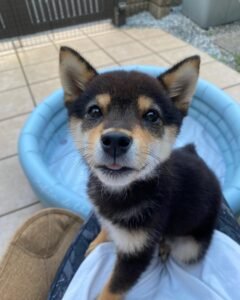
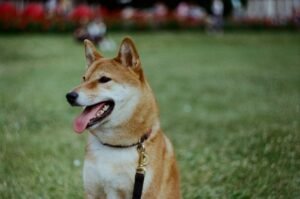
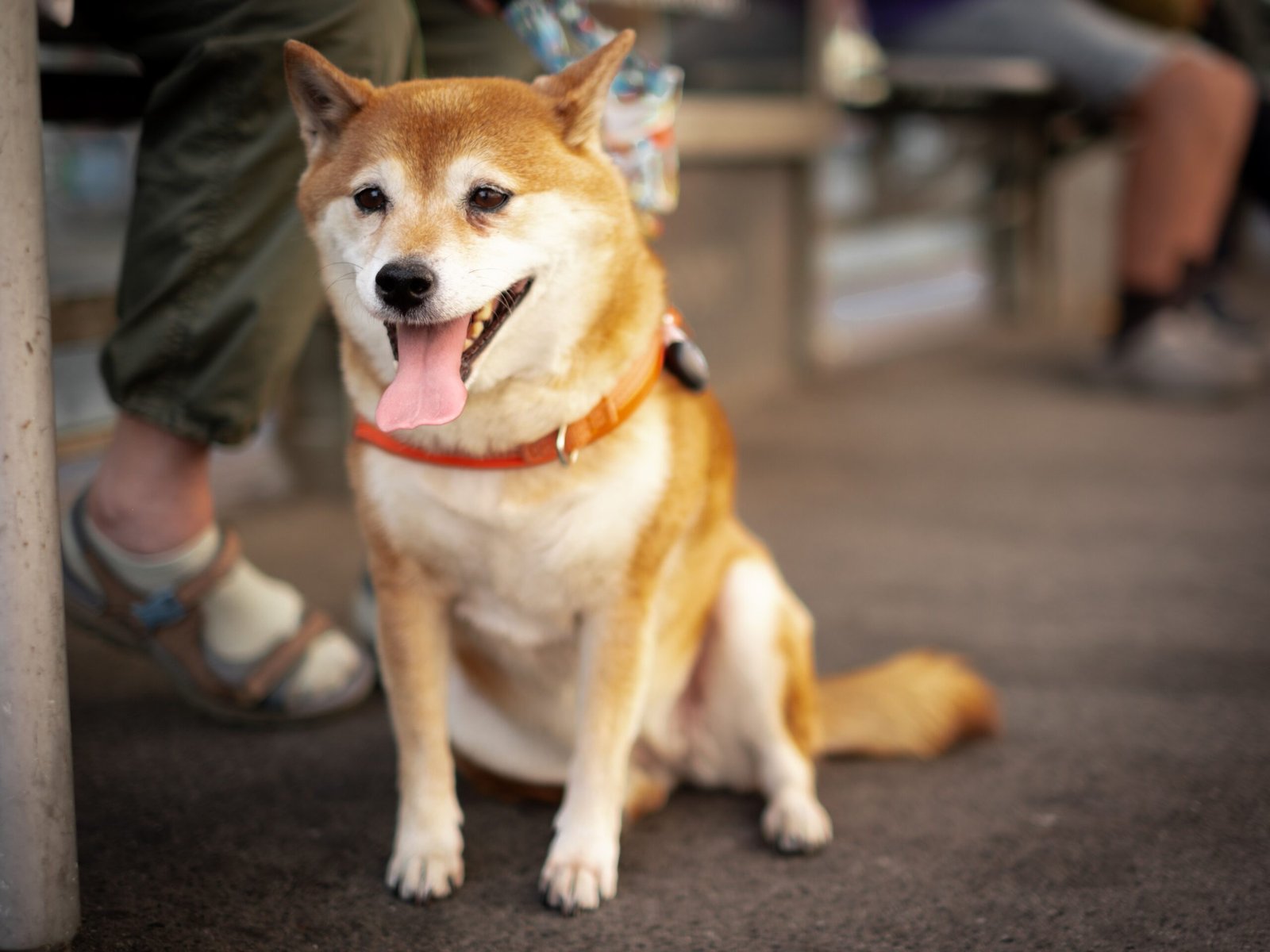
The breed is known for its compact, well-balanced body, upright triangular ears, curled or sickle-shaped tail, fox-like expression, and distinctive double coat.
According to the American Kennel Club, the Shiba Inu is a small but substantial Japanese breed with a confident and spirited personality. (akc.org)
However, appearance alone should never be considered proof of purebred status.
Two dogs can look very similar while having completely different pedigrees.
Think of physical characteristics as clues, not documentation.
2. Pay Attention to the Shiba Inu’s Head and Face
The Shiba Inu’s face is one of its most recognizable features.
A typical Shiba has:
- A broad forehead
- A moderately wide muzzle
- Small, triangular, dark eyes
- Upright triangular ears
- A distinct, alert expression
- A well-defined stop
- A strong but compact head
The overall expression should appear confident and alert rather than overly delicate.
When evaluating a puppy, however, remember that puppies are still developing.
A young Shiba Inu’s head, muzzle, ears, coat, and overall proportions can change considerably as the dog matures.
This is another reason experienced breeders are valuable when evaluating puppies.
3. Examine the Ears
Shiba Inu ears are one of the breed’s most recognizable characteristics.
They should be relatively small, triangular, upright, and positioned appropriately on the head.
A healthy puppy’s ears may not always look exactly like those of an adult Shiba.
Puppies develop at different rates, and temporary changes in ear carriage can occur as they grow.
So if you’re evaluating a very young puppy, don’t make a purebred determination based on ear position alone.
4. Look at the Tail
The Shiba Inu’s tail is another defining characteristic.
A Shiba typically carries its tail curled over the back or in a sickle-like shape.
The tail should be well feathered and carried naturally.
Again, this is an important breed characteristic—but it isn’t proof of pedigree by itself.
A mixed-breed dog can have a curled tail too.
That’s why physical characteristics should always be considered together with pedigree and breeder documentation.
5. Understand Shiba Inu Coat Colors
Shiba Inus are commonly seen in several recognized colors, including:
- Red
- Red sesame
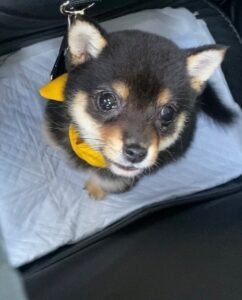
- Black and tan
- Cream
The exact recognition of colors can depend on the breed standard and registry.
A potential buyer should be cautious when a seller uses unusual or marketing-focused color names to suggest that a puppy is rare or more valuable.
For example, simply calling a puppy an unusual “designer” color doesn’t prove that the puppy is purebred.
At Mishmo Shiba Inu, we focus on responsible breeding, health, temperament, structure, and the preservation of the breed’s characteristics rather than marketing puppies based solely on novelty.
6. The Shiba Inu’s Coat Should Be Double-Layered
A Shiba Inu has a thick double coat.
The outer coat consists of straight, somewhat stiff guard hairs, while the undercoat is soft and dense.
This gives the breed its characteristic plush appearance.
You may notice that a puppy’s coat doesn’t look exactly like an adult Shiba Inu’s coat yet.
That’s normal.
The adult coat develops as the puppy matures.
However, coat type is another characteristic that can help you determine whether a dog generally conforms to the breed.
7. Check the Body Structure
A Shiba Inu should have a compact, balanced, athletic build.
The breed isn’t supposed to look extremely tall, excessively slender, or overly heavy.
A proper Shiba should have:
- A strong topline
- A compact body
- Well-developed legs
- A balanced chest
- Appropriate bone structure
- A naturally athletic appearance
Responsible breeders pay close attention to structure and conformation when selecting breeding dogs.
At Mishmo Shiba Inu, conformation is considered alongside health, temperament, pedigree, and other factors when evaluating breeding dogs.
8. Temperament Can Provide Clues—But Not Proof
The Shiba Inu is known for its distinctive personality.
They are generally:
- Intelligent
- Alert
- Confident
- Independent
- Curious
- Loyal
- Sometimes stubborn
- Often reserved with unfamiliar people
This unique temperament is part of what makes Shiba Inus so popular.
But here’s something important:
Temperament cannot prove that a dog is purebred.
A mixed-breed dog can have a personality that resembles a Shiba Inu.
Likewise, individual purebred Shiba Inus can have very different personalities.
At Mishmo Shiba Inu, we pay close attention to temperament because we believe the right personality match is just as important as physical appearance when placing a puppy with a family.
9. Ask to See the Parents
One of the best ways to learn more about a puppy is to learn about its parents.
A responsible breeder should be able to provide information about the puppy’s parents, including their identity, pedigree where applicable, health information, and characteristics.
When possible, seeing the parents can also help you understand the type of dog your puppy may develop into.
Look at their:
- Structure
- Coat
- Temperament
- Size
- Health
- Behavior
- Overall breed characteristics
At Mishmo Shiba Inu, our breeding decisions consider the quality and characteristics of the parent dogs, including pedigree, temperament, conformation, and appropriate health evaluations.
10. Ask About Pedigree and Registration
If you’re specifically looking for a purebred Shiba Inu, one of the most important things to ask a breeder about is pedigree documentation.
A pedigree records the ancestry of the dog.
Depending on the registry and country, registration papers can provide additional documentation regarding the dog’s recognized breed status.
Don’t be afraid to ask the breeder:
“Can I see the puppy’s pedigree?”
“Are the parents registered?”
“What registry are the dogs registered with?”
“Can I see documentation for the puppy’s lineage?”
A reputable breeder should be comfortable discussing these questions.
11. Don’t Confuse a DNA Test With a Pedigree
DNA testing can be useful, but it is important to understand what it can and cannot tell you.
A DNA breed test can provide information about a dog’s genetic ancestry, depending on the test and database used.
However, DNA testing isn’t necessarily the same thing as official pedigree documentation.
If you’re purchasing a puppy specifically because you want a documented purebred Shiba Inu, ask about pedigree and registration records rather than relying exclusively on a consumer DNA test.
12. Health Testing Is Also Important
Purebred doesn’t automatically mean healthy.
This is something every Shiba Inu buyer should understand.
Responsible breeding involves more than producing puppies that look like the breed. Breeders should consider health, temperament, structure, genetics, and the overall quality of the breeding program.
At Mishmo Shiba Inu, health is an important part of our breeding philosophy. Our breeding program considers hereditary health concerns and evaluations involving areas such as hips, patellas, eyes, and other relevant health considerations. (mishmoshibainu.com)
Puppies also receive appropriate veterinary care before going to their new families.
13. Be Careful With “Rare” Shiba Inu Claims
If someone tells you that their Shiba Inu is extremely valuable because it has a “rare” color, unusual markings, or an exotic appearance, take a moment to investigate.
A rare-sounding marketing term doesn’t automatically mean that a dog is more desirable, healthier, or more purebred.
Ask for documentation.
Ask about the parents.
Ask about health testing.
Ask about pedigree.
Ask about the breed standard.
A responsible breeder should be able to explain exactly what makes their puppies special without relying entirely on marketing language.
14. Look at How the Breeder Raises the Puppies
The way puppies are raised can tell you a lot about a breeder.
A responsible breeder should care about the puppies’ physical health, mental development, socialization, and future placement.
At Mishmo Shiba Inu, puppies receive structured early experiences designed to help them develop confidence and adaptability.
Our program incorporates Early Neurological Stimulation (ENS), Puppy Culture-based methods, and the Rule of 7s, along with exposure to people, children, other dogs, household sounds, grooming, different surfaces, and new environments. (mishmoshibainu.com)
We believe raising a Shiba Inu puppy properly involves much more than feeding it and waiting for it to grow.
15. Ask About Early Training
A responsible breeder should be interested in giving puppies a strong foundation before they leave for their new homes.
At Mishmo Shiba Inu, puppies can receive foundations in areas such as:
- Name recognition
- Recall
- Sit
- Down
- Stay
- Place
- Leash introduction
- Crate routines
- Potty-training foundations
- Grooming and handling
- Household manners
Our training approach is designed around the individual puppy’s age, confidence, personality, and development. (mishmoshibainu.com)
This early foundation can help families continue training successfully after bringing their puppy home.
16. Beware of Buying Based Only on Photos
Beautiful puppy photographs can be extremely persuasive.
But don’t buy a Shiba Inu simply because the puppy looks perfect in a picture.
Ask questions.
Request documentation.
Learn about the parents.
Understand the breeder’s health practices.
Ask about socialization and training.
And make sure you understand what is included with the puppy.
A responsible breeder should want you to make an informed decision.
How Mishmo Shiba Inu Approaches Purebred Shiba Inu Breeding
At Mishmo Shiba Inu, we believe that responsible breeding is about preserving the qualities that make the Shiba Inu such a remarkable breed while prioritizing the health and well-being of every dog.
Our approach considers:
Pedigree — Understanding the ancestry and lineage of breeding dogs.
Health — Considering appropriate health evaluations and hereditary concerns.
Temperament — Selecting dogs with stable, desirable temperaments.
Structure — Paying attention to conformation and breed characteristics.
Socialization — Giving puppies meaningful early-life experiences.
Training — Providing foundational training appropriate for each puppy’s age and development.
Placement — Helping match individual puppies with families whose lifestyles are appropriate for them.
We don’t believe that choosing a Shiba Inu should be about simply finding the prettiest puppy.
It’s about finding a healthy, well-raised companion from a responsible breeding program.
So, How Can You Tell if a Shiba Inu Is Purebred?
The most important thing to remember is this:
You cannot reliably prove that a Shiba Inu is purebred simply by looking at it.
Physical characteristics can provide clues, but pedigree and appropriate registration documentation provide much stronger evidence of lineage.
When you’re considering purchasing a Shiba Inu, look at the entire picture:
- Examine the puppy’s physical characteristics.
- Ask about the parents.
- Request pedigree information.
- Ask about registration.
- Review available health documentation.
- Learn about the breeder’s breeding practices.
- Ask how the puppies are socialized.
- Understand the puppy’s training and veterinary care.
- Avoid making a decision based solely on color or appearance.
- Choose a breeder who is transparent and willing to answer your questions.
Looking for a Purebred Shiba Inu?
If you’re searching for a purebred Shiba Inu puppy, choosing the right breeder is one of the most important decisions you’ll make.
At Mishmo Shiba Inu, our focus is on producing and raising Shiba Inu companions with attention to health, temperament, structure, socialization, training, and responsible placement.
Whether you’re a first-time Shiba owner or an experienced dog enthusiast, we’re here to help you understand the breed and make an informed decision.
Visit Mishmo Shiba Inu
Learn more about our Shiba Inu puppies, breeding program, training, and puppy placement process at:
If you’re serious about finding a well-bred Shiba Inu, don’t just ask, “Does this puppy look purebred?”
Ask the bigger questions:
Where did this puppy come from?
Who are the parents?
What is the pedigree?
What health testing has been performed?
How was the puppy raised?
What kind of foundation has the breeder provided?
Those answers can tell you far more than appearance ever could.
Mishmo Shiba Inu — helping families find healthy, confident, well-raised Shiba Inu companions.